
How to Buy Art at Summer Festivals: 5 Dos and Don'ts
Summer has arrived, and with it comes a packed calendar of street festivals, neighbourhood fairs, outdoor markets, and community events. These gatherings are some of the best places to discover original artwork from local artists and independent galleries. They offer a relaxed, accessible way to browse art, ask questions, and find pieces that speak to you.
At the same time, festivals can be busy, crowded, and overstimulating. It’s easy to make an impulsive purchase, or to overlook something you'll later wish you'd bought.
Whether you are purchasing your first piece of art or adding to an existing collection, these dos and don'ts can help you make a choice you'll be happy to live with long after festival season ends.
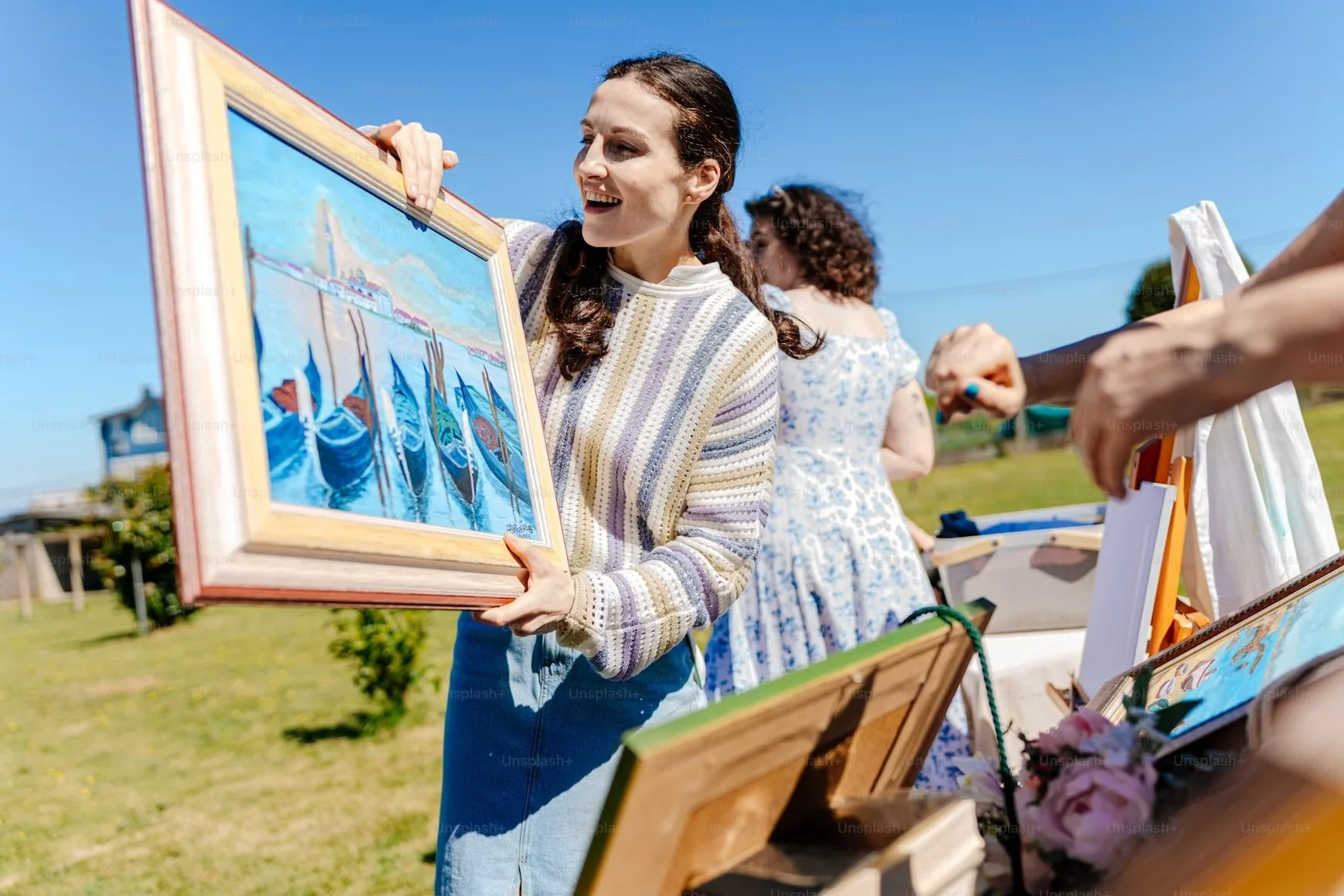
Do: buy what you connect with
If there's one rule worth remembering, it's this: buy art because you like it. Ask yourself a few simple questions:
Will I still enjoy looking at this six months from now?
Does it remind me of a place, memory, person, or experience?
Can I picture it in my home?
Does it make me feel something?
The best art purchases are often personal. Last summer at Do West Fest, I spent hours browsing booths before purchasing two small watercolour prints. One featured a bumblebee, which immediately reminded me of the pollinator garden I've spent years building. The other was an adorable unicorn and rainbow that I knew Tiny Intern would love. Neither was a major investment, but both brought me genuine joy.
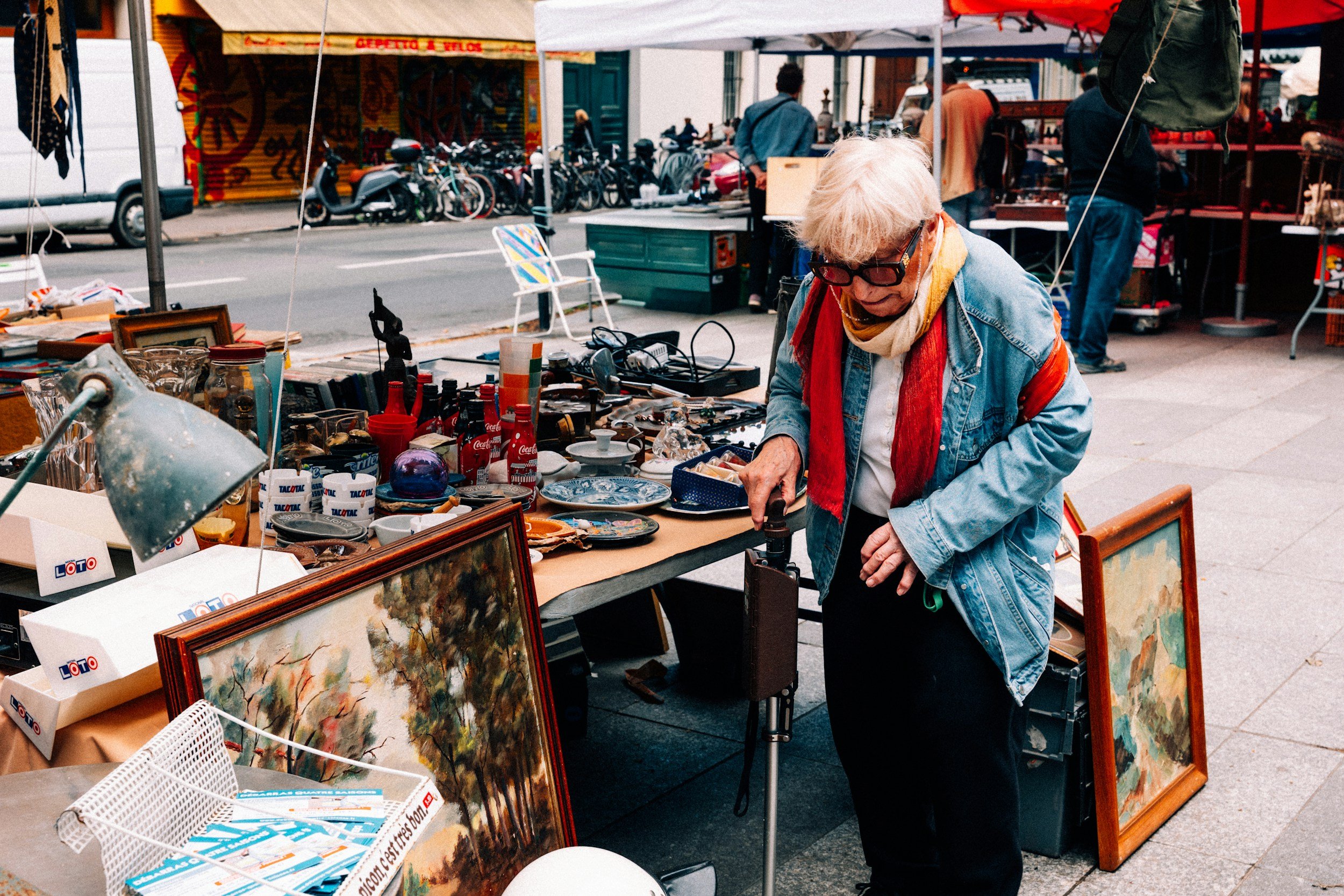
Don’t: rush yourself
Festivals can foster a sense of urgency. Crowds move quickly, booths are busy, and it's easy to feel pressured to make a decision on the spot. You don't have to.
When I found those prints at Do West Fest, I didn't buy them immediately. I browsed, grabbed an iced coffee, explored a few more vendors, and eventually circled back. When I returned, I was just as excited about them as I had been the first time. If you're still thinking about a piece after you've walked away, that's often a good sign that it's worth a second look.
While there is always a chance that a piece will sell before you come back, art generally isn't subject to the same urgency as other products, like one-of-a-kind vintage clothing. Original artworks are often higher-priced purchases, meaning buyer generally take their time, and many artists bring multiple prints to sell throughout the day.
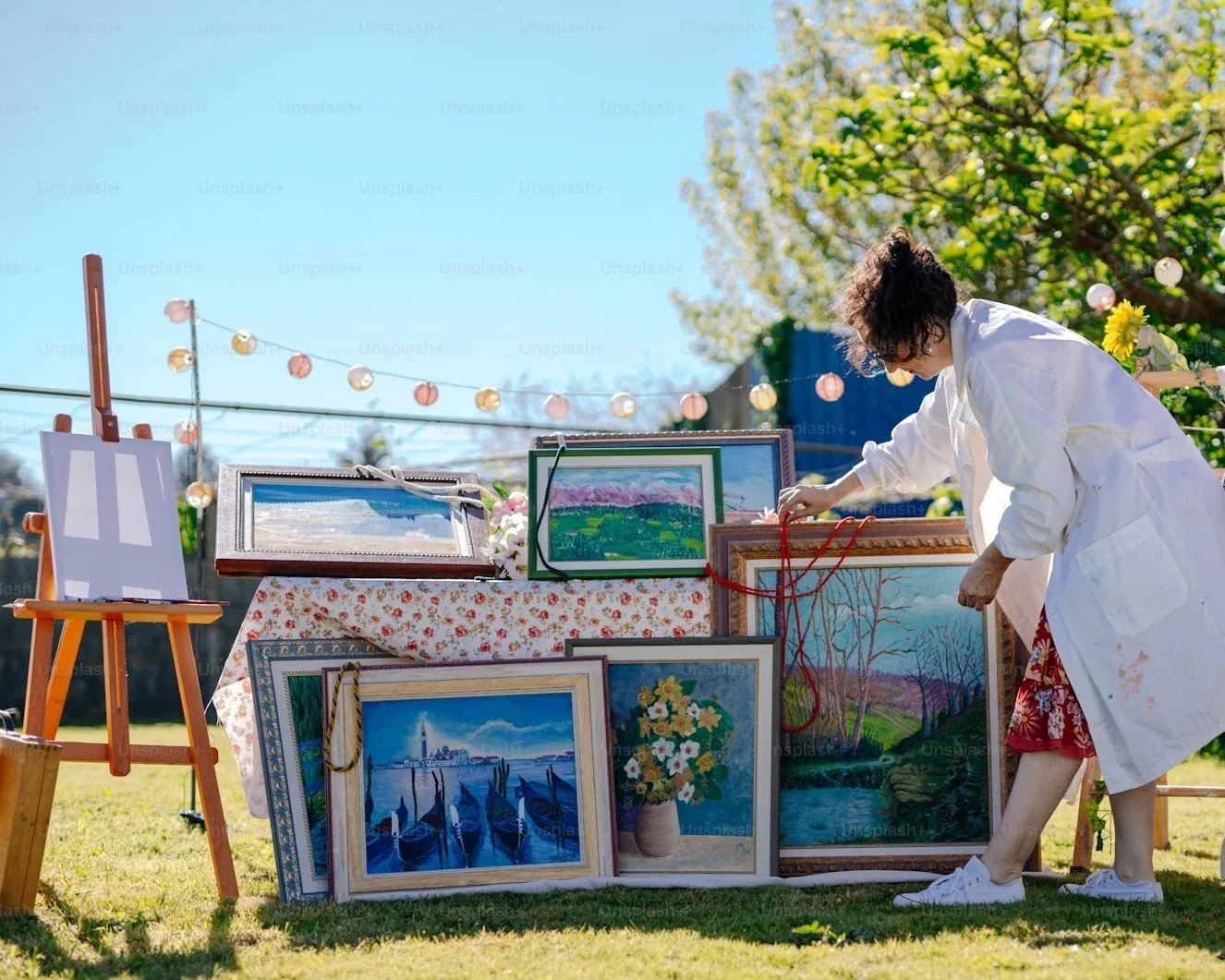
Do: support local & talk to the artist/gallerist
An advantage of buying art at festivals is the opportunity to meet the artists who created or collected it.
When you buy from local artists, independent galleries, and small creative businesses, you're supporting the cultural life of your community while helping artists continue to create new work.
Unlike shopping in a large retail environment, festivals often allow you to have direct conversations with artists about their work, techniques, inspirations, and creative process. These conversations can deepen your appreciation for a piece and help you understand the story behind it.
Do remember that festivals are high-stress environments, where vendors work on very tight margins. Don’t occupy too much of the artist’s time if you aren’t seriously thinking of buying, and do not take them away from other potential buyers.
If the artist isn't busy, consider asking whether the work is an original or a print, what inspired it, what materials are used, and any recommendations for display or framing. You can also ask the artist how you can follow their work: e.g. whether they have a website, social media accounts, a local studio, or upcoming exhibitions.
Do remember that festivals are high-stress environments, where vendors work on very tight margins. Don’t occupy too much of the artist’s time if you aren’t seriously thinking of buying, and do not take them away from other potential buyers.
If you're purchasing from a gallery or art retailer rather than directly from the artist, don't hesitate to ask questions there as well. A knowledgeable gallerist can often provide valuable information about the artist, their practice, and the best way to care for your artwork.
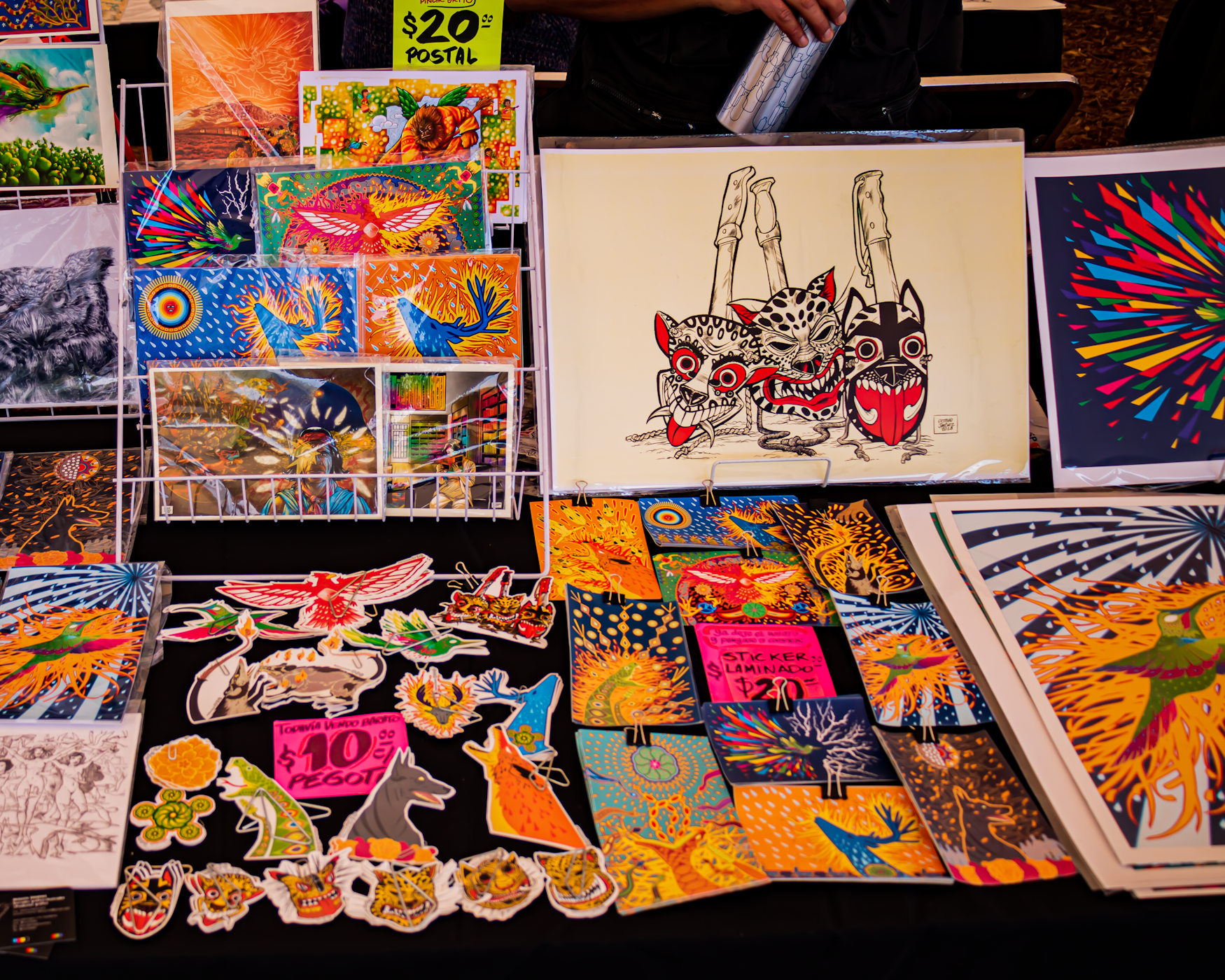
Don’t: overlook prints
Many people assume that collecting art means purchasing original paintings, but prints can be an excellent option for both new and experienced buyers.
Prints make artwork more accessible by offering professional-quality pieces at lower price points. They allow more people to support artists while bringing meaningful artwork into their homes.
In many cases, artists produce limited-edition prints that are signed and numbered. Some also offer hand-embellished prints that include unique painted details, creating a sort-of hybrid between a print and an original work.
Most importantly, don't assume that a print is somehow a lesser purchase. Great art is great art, regardless of whether it exists as a single original piece or as part of a carefully produced edition.
Do: think about your existing space
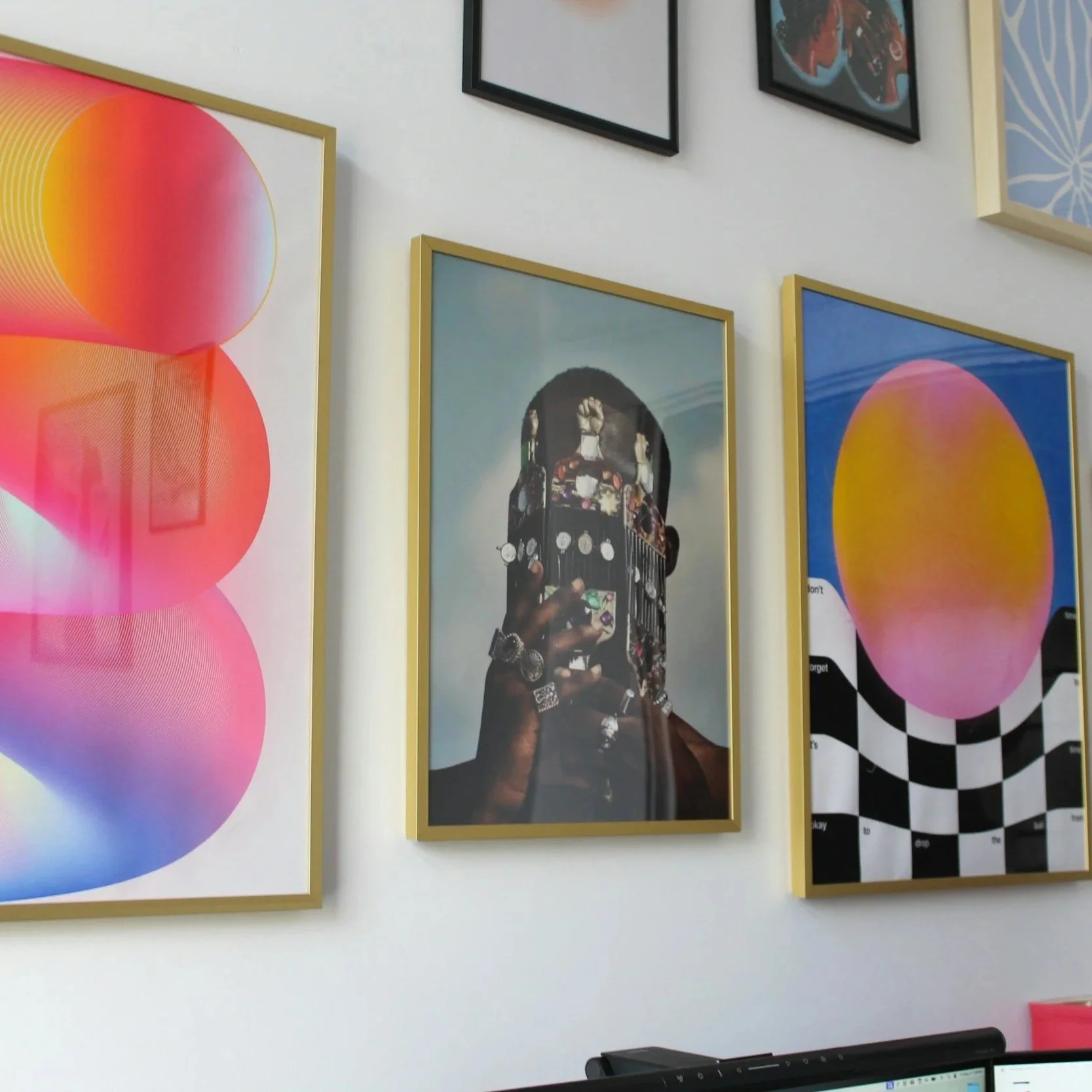
One challenge of buying art at festivals is that you're seeing the work in a temporary, often frenzied environment rather than in your own home.
Artwork that looks perfect surrounded by dozens of similar pieces may feel very different once it's hanging on its own wall.
Try to mentally remove the artwork from the festival setting and imagine it in your space instead. It can even be helpful to keep a few photos of your home on your phone for reference while shopping.
As you browse, consider the size of the wall where the piece might be hanging, any other artworks that it would hang alongside, the amount of natural light in the room, the colours and textures already in the space, and the overall mood you want to convey.
Do you want the artwork to blend in with your decor, or stand out? The new piece doesn't need to match everything you already own, but it should feel like an intentional addition to your home.
Summer festivals are among the most enjoyable places to discover art! They remove many of the barriers people sometimes associate with art buying and create opportunities to browse, compare styles, ask questions, and develop your own taste.
You don't need formal art training to make a good purchase. You simply need to find work that resonates with you. Take your time. Ask questions. Support local artists. And if you find yourself returning to the same piece again and again, trust that instinct.
The best art purchases aren't necessarily the most expensive ones; they're the pieces that continue to bring joy long after the festival ends.